How Data Projectors Are Innovating Learning Experiences in Australia
Exploring Data Projectors
Data Projectors have become indispensable tools in Melbourne's vibrant educational landscape, akin to the interactive exhibits at the Melbourne Museum. Educators and tech enthusiasts alike leverage these devices to enhance learning experiences, from classrooms to lecture theatres. As you explore this technology, understanding different types of data projectors is crucial.
Types of Data Projectors
There are several options available for teaching professionals. LCD projectors are popular for their vibrant colors and sharp images. They are ideal for classrooms where visual clarity is a priority. DLP projectors, meanwhile, are favored for their compact size and ability to produce smooth video, making them an excellent choice for classrooms and auditoriums. For those prioritising energy efficiency, LED projectors offer a long lifespan and consistent brightness.
Key Features and Functions
Modern data projectors come equipped with features that amplify their usefulness in educational settings. High-definition resolutions and significant brightness levels ensure that visuals are crisp and visible even in well-lit rooms. Many models now include wireless connectivity, allowing teachers to stream content effortlessly from various devices. Built-in speakers further enhance the classroom experience, eliminating the need for additional audio equipment that might normally come with a recording microphone.
Benefits for Learning Environments
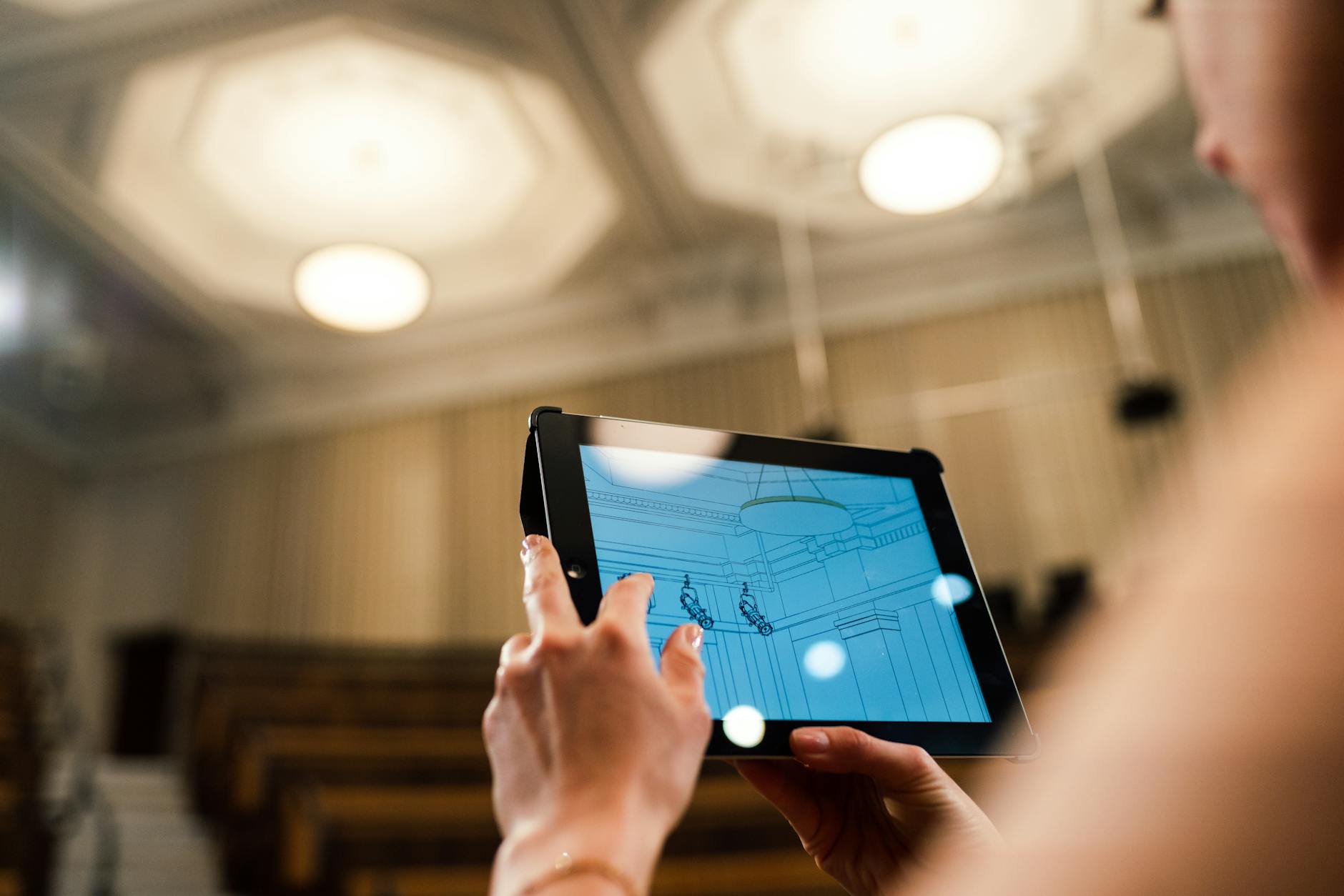
Data projectors transform educational spaces by fostering interactive and engaging learning experiences. They help educators present complex ideas with clarity, using multimedia resources. Interactive projectors, in particular, enable students to engage directly with the content, similar to the forward-thinking tech strategies employed by landmark schools in Melbourne's CBD. Whether through videos, slideshows, or animations, projectors bring a dynamic element to teaching that traditional methods cannot match.
These projectors, when combined with technologies like acoustic panels, create an optimal environment for learning—one where every student has an equal opportunity to absorb and understand the material presented.
Innovative Applications
Enhancing Classroom Engagement
In today's modern classrooms, many educational institutions are harnessing the capabilities of data projectors combined with loudspeakers to create dynamic, engaging learning environments. At the Melbourne Museum, interactive exhibits demonstrate how incorporating audio-visual elements can captivate and educate audiences. Similarly, schools across Melbourne are implementing these strategies in their classrooms.
To elevate student engagement, consider these tips:
- Immersive Visuals: Enhance lessons with high-quality visuals that bring the subject matter to life.
- Enhanced Audio: Use loudspeakers to ensure clear communication, making sure every student hears key points and instructions.
- Real-time Interaction: Leverage universal remote systems for seamless control over audio-visual content without disrupting the flow of the lesson.
Interactive Presentations
Equipped with data projectors and universal remote technology, teachers can deliver interactive and organized presentations, facilitating better student participation and understanding. With controls at their fingertips, educators smoothly switch between lesson plans and supplementary resources without interrupting the learning experience.
Virtual Learning Integration
Data projectors, paired with innovative tools like ptz cameras, are revolutionising virtual learning. They provide educators the flexibility to stream classes and give virtual students a classroom-like experience. At tech hubs such as Carlton, institutions are at the forefront of integrating these technologies, paving the way for more inclusive and accessible educational environments.
Integrating advanced AV equipment such as data projectors with connected devices enhances classroom experiences and supports diverse learning needs. These innovations demonstrate Melbourne's educational landscape's commitment to harnessing cutting-edge technology for teaching.
Case Studies in Australia
Success in Primary Education
In the bustling heart of Melbourne, primary schools are at the forefront of integrating tech into classrooms. Many schools within the CBD are utilising innovative technologies to captivate young minds. For instance, implementing a hearing loop system has become instrumental in creating more inclusive learning environments, allowing students with hearing impairments to fully engage with activities and lessons. This setup shows the power of combining advanced tech with education, going beyond traditional methods to enhance understanding for all students.
Tertiary Education Innovations
Tertiary institutions in Melbourne, particularly around the tech hub of Carlton, are setting benchmarks with cutting-edge solutions. Universities are increasingly adopting AV technologies like guitars and basses for practical sessions, enriching the learning experience in music courses. Not only does this foster a hands-on approach for students, but it also aligns with the creative values of tech-savvy educators, ensuring that future professionals are well-equipped for the diverse demands of the industry.
Corporate Training and Development
Even in corporate settings, Melbourne’s companies are leveraging technology to boost training effectiveness. These organisations use advanced data projectors to enhance presentations and integrate multimedia elements into workshops. The result is a dynamic learning environment that mirrors the engaging interactive exhibits at the Melbourne Museum. By doing so, companies not only create memorable training sessions but also ensure their staff is aligned with the latest industry advancements.
Implementation Best Practices
Choosing the Right Projector
When it comes to selecting the perfect data projector for your educational needs, understanding the key elements is crucial. Ensure you consider factors such as lumens, which dictate the projector’s brightness, a vital quality for environments with varying light conditions. Resolution is another critical factor; a higher resolution will provide clearer, more detailed images, important for educational content that includes detailed diagrams and text. Compatibility with various AV cables is also beneficial, ensuring seamless connectivity with your existing equipment. I often advise comparing different models in person, perhaps at the tech hub of Carlton, to see how they perform in real-world conditions.
Setting Up for Success
Proper setup is integral to achieving optimal performance from your data projector. Begin by positioning the projector at the right distance from the screen to prevent distortion—most user manuals provide a throw ratio guide to help with this. Take into account the room's natural light and arrange blinds or shades accordingly. Don’t underestimate the importance of a robust mounting system to secure the projector, especially in busy educational settings. Additionally, setting up the universal remote can streamline operation and enhance ease of use, offering educators an intuitive way to control presentations.
Maintenance and Troubleshooting
Regular maintenance is key to extending the life of your projector and ensuring uninterrupted educational sessions. Frequently check and clean the air filters to prevent overheating, and always keep spare lamps handy as replacements. In the event of technical issues, a basic understanding of troubleshooting common problems, such as connectivity or image distortion, can dramatically reduce downtime. If more complex challenges arise, consulting with a professional specializing in broadcast solutions can provide the expertise needed to maintain high-functioning AV technology in your educational setting.
Future of AV Technology in Education
Anticipated Advances
In the buzzing tech hub of Carlton, the advancement of audio-visual technology is constantly pushing the boundaries of educational engagement. One anticipated development is the integration of augmented reality with current data projectors, transforming traditional lessons into immersive experiences. Imagine students at Melbourne Museum, engaging with dinosaur exhibits through holographic projections, seamlessly merging history and interactive learning.
Practical Tips for Educators
Educators in the CBD’s landmark schools are gradually incorporating universal remotes to streamline classroom activities. These remotes can control everything from the lights to the projector, allowing teachers to focus more on student interaction. To ensure seamless operation, it's wise to regularly update firmware and keep a backup device handy in the tech-savvy environment of Melbourne.
Emerging Trends
As virtual learning continues to evolve, we expect future trends to include AI-driven data analysis tools integrated with projectors. This technology will provide insights into student engagement and help tailor educational content effectively. Schools adopting such advancements are effectively bridging the gap between physical and online learning environments, setting a standard for the rest of Australia to follow.
In conclusion, staying informed about these innovations can elevate teaching methods and refine learning experiences for students. As we embrace the possibilities of data projectors and universal remotes, Melbourne's educational landscape is set to converge with cutting-edge technology, fostering a vibrant, dynamic learning atmosphere.